
The Los Angeles Times sent a reporter to work out at Fred Fitness, our build in Santa Monica for a firsthand look at how this AI-powered gym works.
Read the original article, “I worked out with an AI trainer at L.A.’s ‘first full-scale AI-powered gym.’ Here’s how it went,” by Deborah Vankin and here’s the space behind the story.
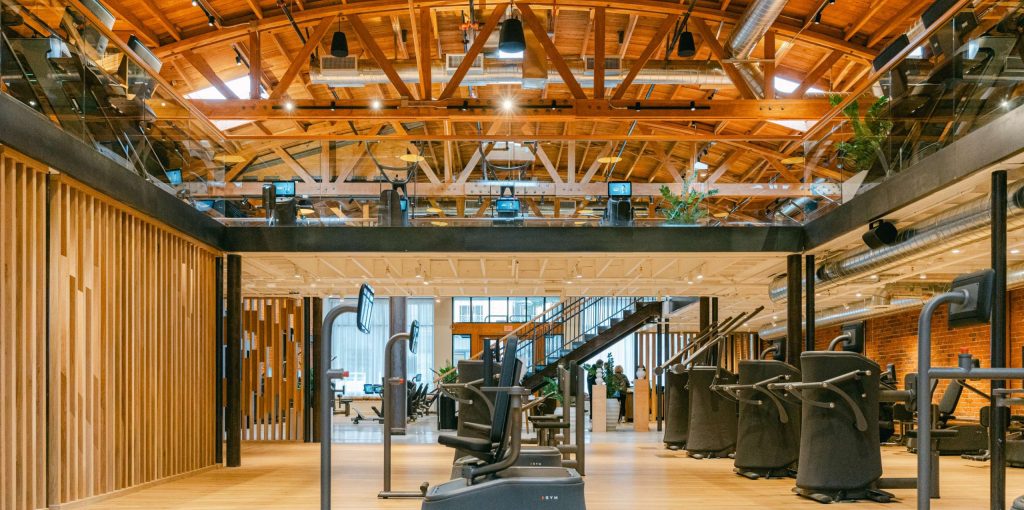
We Built the Space. The LA Times Noticed.
Fred Fitness – Santa Monica’s AI-powered gym just landed a feature in the Los Angeles Times. We built the space it happened in.
Reporter Deborah Vankin spent a workout inside Fred Fitness for her piece, “I worked out with an AI trainer at L.A.’s ‘first full-scale AI-powered gym.’ Here’s how it went.” The story walks through what makes Fred Fitness different: a bioelectrical impedance assessment that reads a member’s hydration, muscle mass, and body fat the moment they walk in, feeding straight into “Genius,” the AI system built into every cardio and strength machine on the floor.
From there, Genius takes over. It sets the incline, the resistance, the seat height, the handle position all calibrated to that member’s body and goals. It gamifies the rep count. It adjusts as they progress. CEO Andre Enzensberger told the Times the goal was never to replace trainers, but to pair the precision of AI with the judgment of real coaches on the floor.
That’s a lot of technology to build a room around.
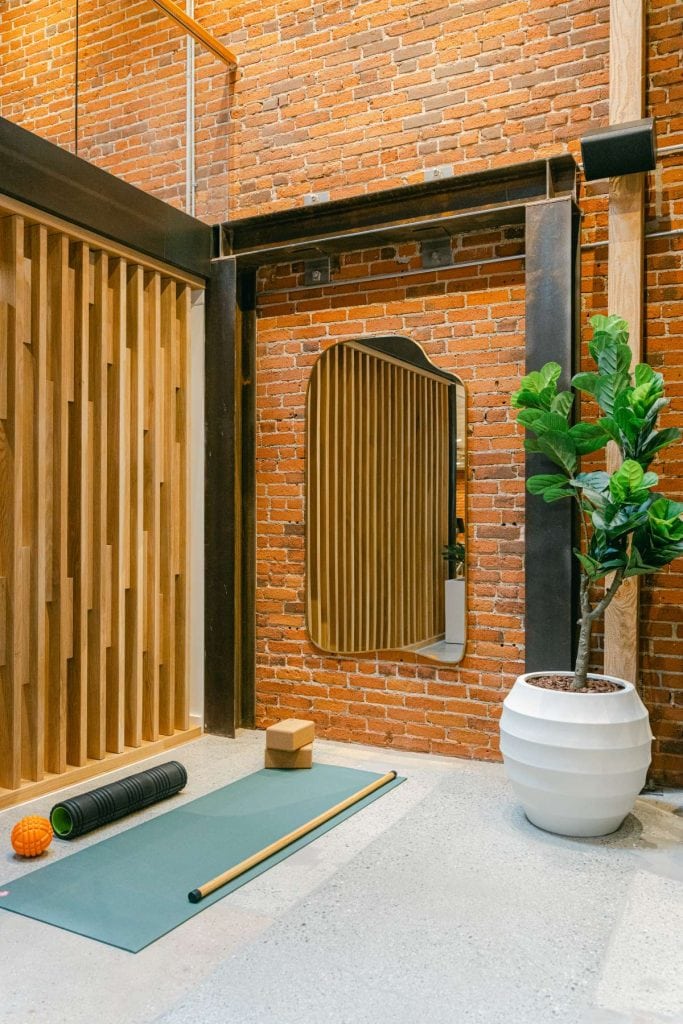
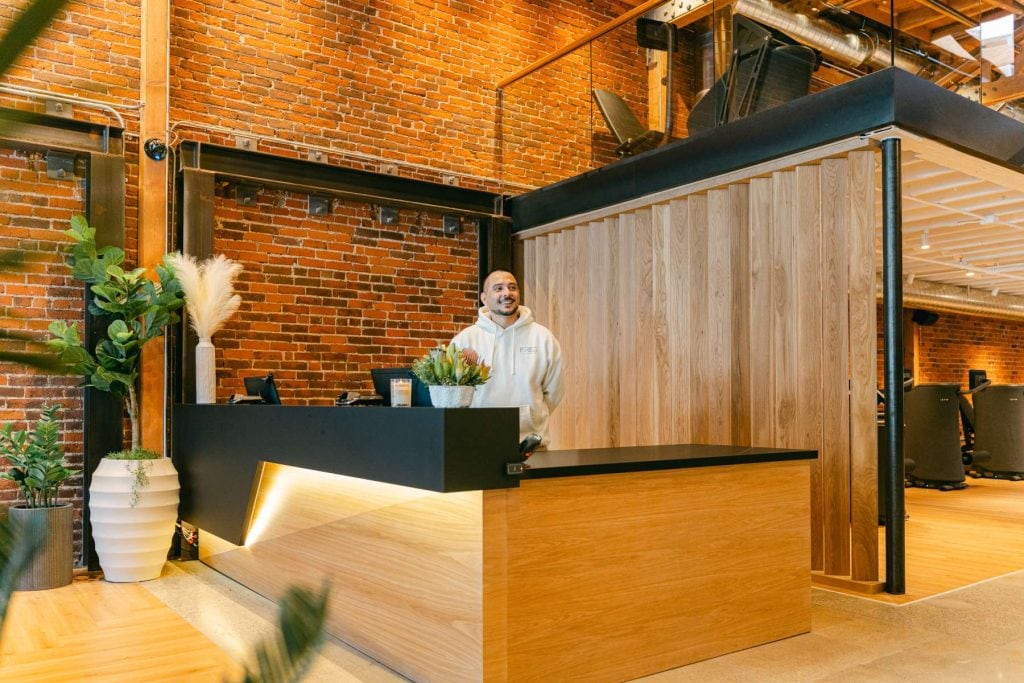
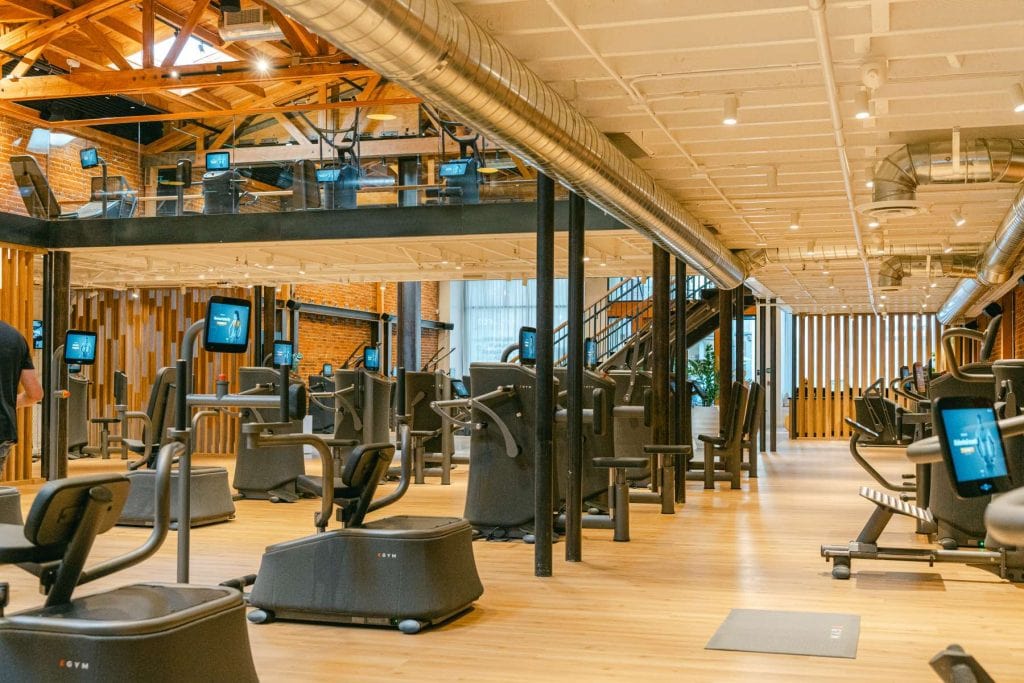
11,500 square feet. A former Patagonia. One AI gym.
Fred Fitness occupies a former Patagonia retail space on 4th Street, blocks from the Santa Monica Pier, 11,500 square feet reimagined from apparel racks into an AI-integrated training floor. Every machine, sensor, and assessment station had to work together, wired and positioned with the kind of precision the concept demands. There’s no room for a build that’s close enough. The technology only performs if the space around it is engineered to support it.
That’s the work GCX does: taking a bold concept and building the commercial space that makes it real. Fred Fitness needed a contractor who could execute at the level of the tech inside it. We built to that standard.
The result, four months in: roughly 400 members, $150/month, no long-term contract — and now, a feature in the LA Times.
Los Angeles set the bar. We built the room it happens in.